
Especially for Black Women who are exhausted from labouring and desire less stress at work.
I know you have heard about self-care.
And you have also tried meditation.
But sometimes life gets so chaotic we forget who we are and how far we have come and don’t have time to care for ourselves.
However, self-care is essential, and when we make self-care part of our daily life, it has a powerful effect on our physical and mental well-being.
Taking just a few moments to care for yourself helps ease tension in your body and brings a sense of calm to your mind, making it easier to meditate.
What is self-care?
Self-care has become a buzzword in recent years, with everyone discussing its benefits for mental health.
On a personal level, self-care, as defined in this modern era of human growth and self-improvement, is any habits or practices we consciously do to care for our physical, emotional, mental and spiritual needs.
For example
- Eating foods that nourish and support our immune system.
- Getting enough sleep so our body can rest, restore and repair itself.
- Moving our bodies regularly to release stress and tension.
- Taking quiet moments for self-reflection and spiritual reflection enhances our mental health.
As a Black child growing up in South East London, “self-care” wasn’t discussed or prioritised at home.
My parents and those I admired were too busy working to meet their basic needs.
Survival care was the priority — ensuring we had food, shelter, and healthcare.
The idea of self-care was something that wasn’t even considered.
My dad was exhausted from dealing with racism and bullying at work, while my mom worked tirelessly to stretch the minimal weekly wages to feed my brother and me.
As for me, I was too wrapped up in my dream to become the next Sonia Lannaman and pushed my body to the extremes to claim my spot in school athletics programmes.
Although self-care is often promoted as the personal practice we do to care for ourselves, Black feminist writer, poet, and activist Audre Lorde (1934–1992) pointed out that self-care is not just a personal practice. It is also political.
In a world that is often hostile and oppressive towards marginalised communities, prioritising self-care is seen as a radical act of self-love and resistance.
Prioritising your health is necessary to proactively reduce the harm caused by living in a hostile world so you can be a compassionate advocate for justice and social change without sacrificing your well-being.
Within Audrey Lorde’s definition of self-care, she stressed the importance of community care — caring for others within marginalised communities — to build collective strength and resilience.
Now aged 90 and 89, my parents have had the privilege of meeting their basic needs.
Looking back, they now realise the positive impact that self-care could have had on their emotional and mental lives, especially when working, had they known about it earlier.
My mother actively encourages me to prioritise self-care by taking time to rest. She even does mindful colouring, and we go for short walks around the block.
Why should you care about self-care?
Self-care is vital because it helps you learn how to trust yourself and bring a sense of calm and restoration to your body -especially when you feel swamped and overwhelmed with conflicting work demands and personal commitments.
Women, especially Black and Brown Women, often face additional challenges and obstacles at work that heightens workplace stress, and impact their ability to progress and feel fulfilled at work, which affects their mental health.
Some of the barriers that women face at work include:
- Discrimination and Bias: Women are often subjected to discrimination and bias in the workplace, which can come in many forms, such as pay inequity, lack of promotions, and microaggressions.
- Lack of Representation: Women, particularly Black and Brown women, are often underrepresented in leadership positions and decision-making roles, limiting their opportunities for advancement and influence in the workplace.
- Stereotyping: Women, especially Black and Brown Women, are also subject to unconscious biases and misconceptions from employees that can impact their perceived competence and professionalism.
- Emotional Labor: Black women may be expected to provide free emotional support and perform extra work in the workplace to support employee well-being and promote DEI initiatives.
- Intersectionality: Black women face unique challenges due to the intersectionality of their race and gender. They experience discrimination based on both their race and gender, which can exacerbate the barriers they face.
These obstacles can significantly impact your mental and physical health, making it harder to look after yourself and do the things you nurture and bring joy to your life.
Important:
Women often feel guilty and struggle to put their needs and desires first. However, self-care isn’t selfish.
Culturally, we need to shift the narrative that self-care is selfish and only for the privileged few, which is an article for another time.
How does self-care help you meditate?
Meditation is a valuable life skill; regular practice helps calm the mind and reduce stress.
However, meditation can be difficult when your mind is cluttered with worries and distractions and your shoulders and knees are stiff and sore.
This is where self-care comes in.
Taking just a few moments to care for yourself helps ease tension in your body.
It invites a sense of calm into your mind, making meditation easier.
3 simple self-care practices to help you meditate easier
To help prepare your mind and body for meditation, here are three simple self-care practices you can do before you meditate to help you settle into the practice.
- Go outside
If you feel stuck and unmotivated, rather than numb out and self-sabotage, a change of scenery and environment often helps clear your head.
How to do this:
- Tuck your phone away into your pocket.
- If you can, stroll or sit comfortably inside near an open window.
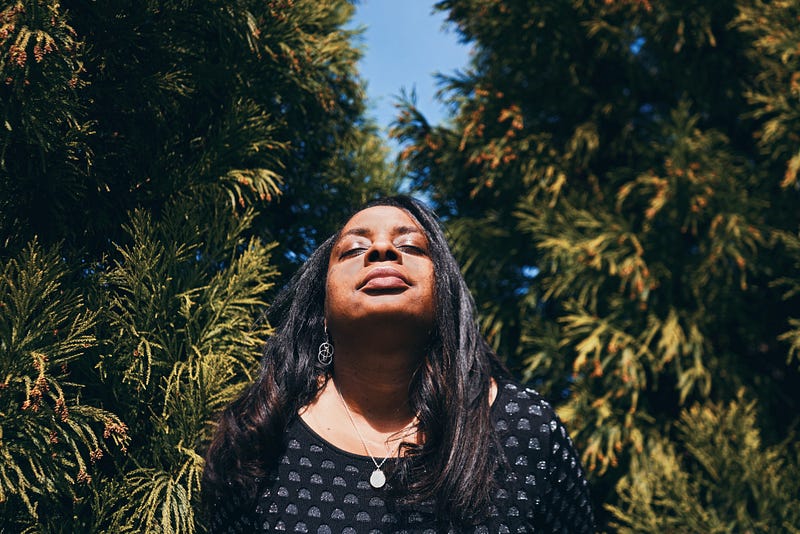
- Look up at the sky, breathe fully, and appreciate the fresh perspective looking up offers you.
2. Get loose
Yoga stretches do wonders to release tension in your body.
This seated yoga pose helps reduce stress on your shoulders.
How to do this:
1. Sit up on a chair. Make sure your back is straight.
2. Stretch your arms straight up over your head.
3. Gently lean your body to the left, and keep your bottom on the chair.
4. Return to the centre and stretch over to the right.
5. Repeat this exercise three to five times on both sides
3. Get loving
When we have too much stuff going on, it is hard to sieve out the noise.
Our thoughts become jangled and jumbled, and we slip into negative self-talk.
Rather than be unkind to yourself, shift your focus and practice loving-kindness affirmations.
How to do this:
- Cross your arms across your chest.
- Tuck your chin in, and lower your head towards your crossed arms. Close your eyes.
- Inhale. Exhale. Slowly whisper to yourself, “I am slowly becoming calmer.”
- Repeat this phrase seven times with kindness as you breathe in and out through your mouth.
- Give yourself an enormous hug, uncross your arms and pat yourself on your back for taking time to pause and refocus your energy.
What next?
In summary, self-care and meditation are essential practices we should all prioritise, especially Black Women who bear the brunt of social inequities, to care for our physical, emotional, mental, and spiritual well-being while also caring for and supporting others to care and look after themselves.
So, next time you feel overextended, put upon at home or work, and seek inner calm, imagine how quiet and settled your mind will be when you practice these self-care practices before meditating or even taking time out during your day to calm and soothe your thoughts into a more frame of mind.
What’s your favourite self-care practice to calm and clear your mind before you meditate?
Thank you for reading, and if you enjoyed this article, follow me and leave your comments on this article.
And to help you practice self-care and make yourself a priority, get my free guide: 21 Affirmations for Self-Love & Healing
I originally published this article on Medium where you may read my other inspirational articles.


Leave a Reply